
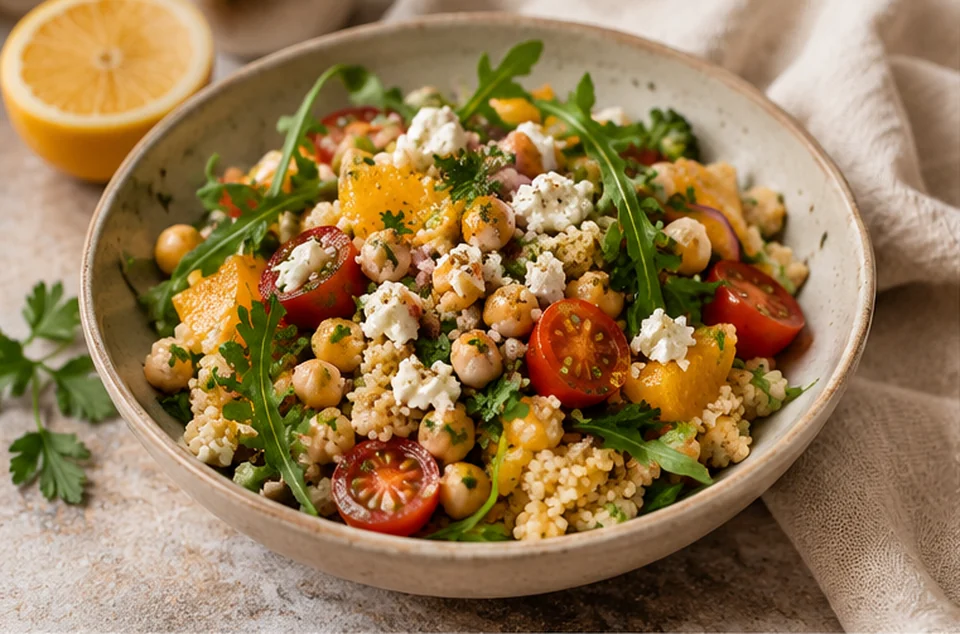
A balanced meal does not need to be perfectly divided or carefully photographed. Australia’s dietary guidance emphasises variety across five food groups over time. A plate is a practical visual prompt, not an assessment of whether any particular meal is “good” or “bad”. Here is how to use the idea without turning dinner into arithmetic.
Start with variety, not perfection
Australia’s Guide to Healthy Eating describes five food groups: vegetables and legumes; fruit; grain foods, especially wholegrain and higher-fibre options; lean meats and alternatives such as eggs, beans and tofu; and milk, yoghurt, cheese or appropriate alternatives. The proportions in the guide illustrate variety across eating patterns, not a requirement to use every group at every single meal.
That matters when you are eating something ordinary, like pasta or a sandwich. A meal can contribute to the overall pattern without resembling a diagram. Think about what the dish already includes before deciding whether it would benefit from something else.
Look at what is already on the table
A tomato-and-lentil pasta has grains, legumes and vegetables together. A chicken traybake adds vegetables and protein, with rice or bread if you would like a grain. A fruit-and-yoghurt breakfast already combines food groups too. There is no need to start every meal from a blank sheet of paper.
When you are planning lunch or dinner, ask what would make it enjoyable and satisfying: some vegetables for colour and texture, a familiar grain or starchy food, and a protein food you like are a reasonable beginning.
Frozen, canned and fresh can all help
Fresh produce is lovely, but it is not the only way to eat vegetables and fruit. Frozen peas, canned beans, canned tomatoes and a bag of frozen vegetables can make it easier to include variety when fresh produce is expensive or nearing the end of its life.
Compare products on the label if you have a particular nutritional need. Rinse canned beans if desired and choose options suited to your tastes, budget and dietary requirements.
Remember the meal is part of a day
You may eat fruit as a snack, grains at breakfast and vegetables with dinner. This is one reason that judging an entire diet by one photograph is misleading. Dietary needs also vary by age, life stage, health conditions and activity. For personalised advice, particularly with medical conditions or a history of disordered eating, consult an Accredited Practising Dietitian.
The goal is more confidence around ordinary meals, not extra rules. Start with one manageable addition you would actually enjoy.
Try it with what you have
Open the fridge and cupboard and choose a vegetable, a grain or starchy food, and a protein option if available. That might be chickpeas, leftover rice and roasted vegetables, or eggs and spinach on toast. Add a sauce, seasoning or fresh herb that makes the meal appealing.
The most important practical question is whether you will eat it and enjoy it. A sensible pattern that fits your household is more valuable than a theoretically perfect plate that never makes it onto the table.
Good information, not personal advice
This article is general educational content, not dietary or medical advice tailored to you. For individual nutrition requirements, consult a suitably qualified professional such as an Accredited Practising Dietitian.