
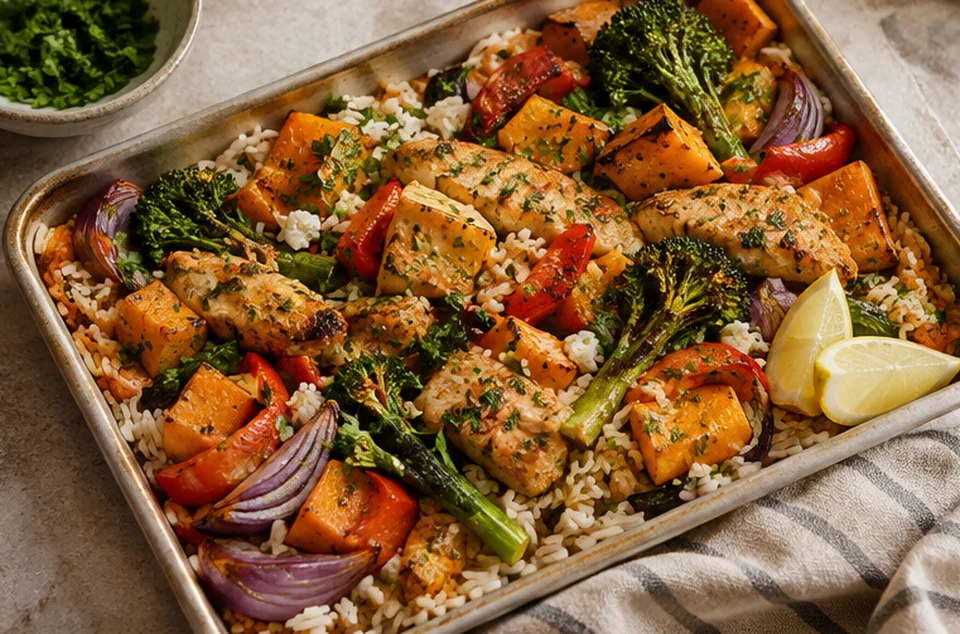
Leftovers can make tomorrow much easier, provided they are handled safely. The useful habits are not complicated: keep track of time, cool food promptly, store it cold and reheat it properly. NSW Food Authority and Food Standards Australia New Zealand publish guidance that makes these decisions clearer.
Cool and refrigerate promptly
NSW Food Authority recommends cooling and covering leftovers and getting them into the fridge or freezer within two hours. Dividing hot food into shallow containers helps it cool more quickly than leaving an enormous pot on the bench. The fridge should be 5°C or colder, with raw meats stored so their juices cannot drip onto ready-to-eat meals.
Avoid leaving cooked food out all evening while you clean the kitchen. A short pause to portion and refrigerate it is one of the more useful habits to build.
Know the two-hour / four-hour guidance
For potentially hazardous food held between 5°C and 60°C, the official two-hour/four-hour rule considers the total time outside temperature control. Less than two hours generally allows eating or returning to refrigeration; between two and four hours means eating immediately rather than refrigerating for later; after four hours the food should be discarded.
That time is cumulative. Transport, preparation and serving all count. In doubt, choose the safer option and discard the food.
Treat rice and pasta with particular care
NSW Food Authority advises eating ordinary refrigerated leftovers within three days and cooked rice and pasta within two days. Cool rice and pasta quickly after cooking and avoid repeatedly reheating them. Bacillus cereus can cause illness when cooked starchy foods spend too long at unsafe temperatures; reheating does not make mishandled food reliably safe.
Label a container with the day it was cooked if the fridge tends to fill up. A plain piece of tape is enough.
Reheat fully and only what you need
Leftovers should be reheated until steaming hot throughout; stir microwaved food to eliminate cold spots. NSW Food Authority advises not reheating rice and pasta more than once. Avoid taking an entire container out repeatedly when you only need one portion.
Do not rely on smell alone to decide whether food is safe. Some harmful contamination gives no obvious warning.
Remember vulnerable eaters
Young children, pregnant people, older adults and immunocompromised people may face extra risks from certain foods. Follow current official advice and individual healthcare recommendations rather than assuming a general rule covers every situation.
Good leftovers are a welcome convenience, not something worth gambling with. If storage history is uncertain, discard them and make another plan.
Good information, not personal advice
This article is general educational content, not dietary or medical advice tailored to you. For individual nutrition requirements, consult a suitably qualified professional such as an Accredited Practising Dietitian.