
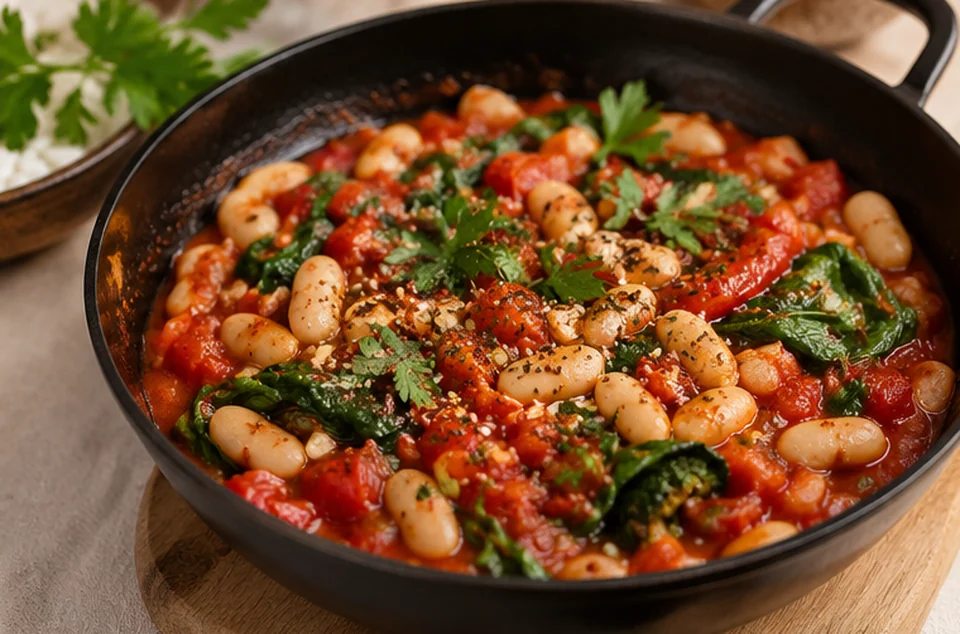
A good pantry is not the one with the most shelves. It is the one where you can see what you own and put together a meal without an extra supermarket trip. Instead of collecting every fashionable ingredient, build a short list around the food you already cook.
Begin with two meals you make often
Write down two dinners and a lunch you already enjoy. Perhaps pasta with a tomato sauce, rice bowls with vegetables, and a chickpea salad. Notice the ingredients they share: canned tomatoes, rice, pasta, beans, oil, garlic or dried herbs.
Those overlapping ingredients make stronger pantry candidates than something you buy for a single recipe and forget. You are building a flexible starting point, not a museum of matching jars.
Keep a small working collection
For many households, a practical base might include rolled oats, rice, pasta, lentils, one or two canned beans, canned tomatoes, an oil used regularly, garlic, a few reliable spices, and a useful condiment such as soy sauce or mustard. None of these is compulsory; dietary needs and cuisines vary.
Buy sizes that match the way you cook. A giant bag is not a bargain if it spoils or sits untouched, particularly when your storage space is limited.
Pair shelf-stable foods with something fresh or frozen
Pasta and canned tomatoes are dinner more quickly if there are peas in the freezer. Chickpeas and couscous make lunch with a cucumber and a lemon. Frozen spinach can brighten a bean skillet; a bag of mixed vegetables can rescue an otherwise bare rice bowl.
The aim is to reduce the number of missing pieces. A small freezer stock can be as helpful as a cupboard full of dry goods.
Make stock visible
Group similar items together and rotate older purchases towards the front. Check both the date mark and any storage instructions. Food Standards Australia New Zealand distinguishes safety-focused use-by dates from quality-focused best-before dates; they are not interchangeable. Damaged packaging, poor storage or unusual spoilage also matter.
A short list stuck to the inside of the pantry door can prevent duplicate purchases. You need not decant everything into matching containers: clear labels and sensible storage matter more than a photograph-ready shelf.
Give each staple a second job
If lentils are usually for soup, try them in a tomato pasta sauce. If oats are for breakfast, use some in muffins. A tin of chickpeas can go into salad, be lightly smashed for a sandwich or become a warm skillet dinner.
The more useful an ingredient is across several meals, the more likely you are to finish it. Start small, notice what runs out, and let your actual habits determine your next shop.
Good information, not personal advice
This article is general educational content, not dietary or medical advice tailored to you. For individual nutrition requirements, consult a suitably qualified professional such as an Accredited Practising Dietitian.