
A good grocery shop is not necessarily the cheapest basket or the most colourful trolley. It is the one that helps your household put meals together with less waste and fewer last-minute trips. A little preparation improves the odds.
Begin where the food lives
Look through the fridge, freezer and cupboard before writing the list. Check the use-by dates of perishables, note what needs to be used soon and count the ingredients you actually have. An unopened bag of rice may be more useful than buying a second one because the recipe mentioned it.
If you share cooking duties, check what other people plan to use. Two people buying a full bunch of herbs each is a common way to fill the crisper without creating extra meals.
Think in meals, not isolated products
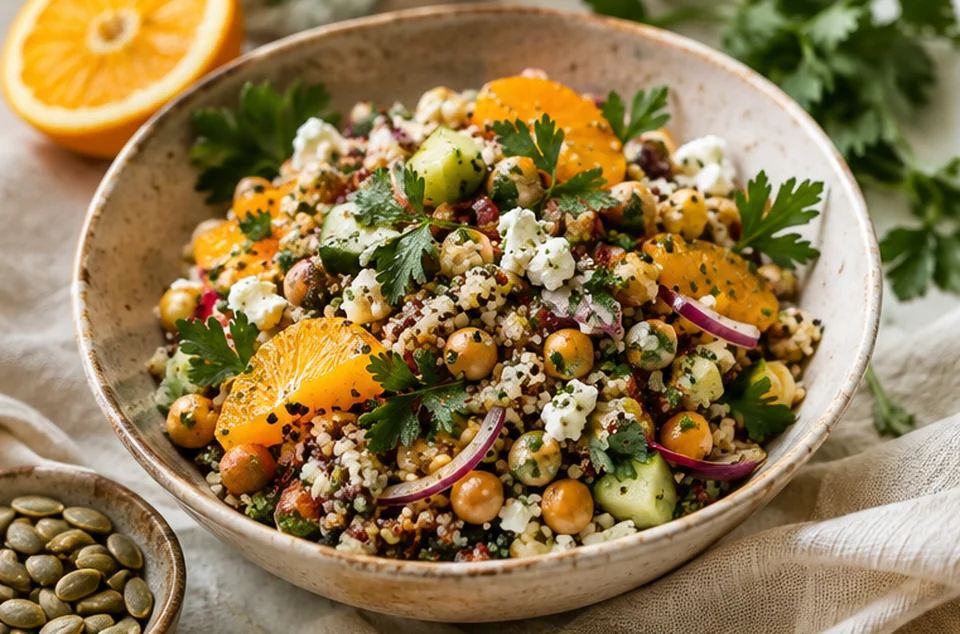
Plan two or three meals around overlapping ingredients. If you're buying lemons, parsley and yoghurt for a grain bowl, you may be able to use them with a roast tray the next day. The point is to make each purchase useful, rather than forcing every meal to look the same.
Keep an emergency pantry dinner in mind for the night the fresh plan changes. Dried pasta and canned tomatoes are an excellent start.
Compare like with like
Price-per-unit labels can help when comparing package sizes, but only if you will use the larger item before it deteriorates. Check whether a bulk offer fits the freezer and the household. For nutrition comparisons, the per-100-g or per-100-mL column of the Nutrition Information Panel is generally more comparable than manufacturer-defined serving sizes.
Special offers are options, not a reason to change your shopping habits without a plan.
Let frozen and canned produce do some work
Fresh food can be a pleasure, but frozen peas, frozen spinach, canned tomatoes and beans are often helpful when you are working around a budget or unpredictable timetable. Choose varieties and packaging that suit your needs, and follow safe storage instructions.
Build a few recipes around these ingredients so they are actively used rather than kept indefinitely as emergency supplies.
Keep the final list modest
A weekly list can fit on one screen: a few vegetables, a couple of proteins or alternatives, a grain, fruit, chilled staples and the little extras needed for specific dishes. Leave room for what is already at home.
There is no perfect amount to spend. The practical measure is how much of the food ends up as something you enjoy eating, safely and without unnecessary waste.
Good information, not personal advice
This article is general educational content, not dietary or medical advice tailored to you. For individual nutrition requirements, consult a suitably qualified professional such as an Accredited Practising Dietitian.