
There is a middle ground between cooking every meal from scratch and spending an entire Sunday filling containers. A small amount of preparation—washing vegetables, choosing recipes, making a sauce—can make weekday cooking faster without committing you to five identical lunches.
Choose a bottleneck, not an entire menu
What makes your weeknight dinner slow? It might be searching for a recipe, chopping onions, defrosting an ingredient or realising the rice ran out. Solve that one problem first. You may not need to prepare a whole meal to feel the difference.
A ten-minute task such as washing salad leaves or measuring dry ingredients can be worth more than a large cooking session if it targets the part that usually delays you.
Separate fresh tasks from cooked tasks
Some ingredients are best prepared close to cooking. Sliced avocado browns, leafy salads wilt under dressing and crisp toppings soften in the fridge. Other steps are easier ahead of time: measuring spices, preparing a shopping list or portioning suitable ingredients for the freezer.
Follow safe handling instructions whenever preparing raw meat, seafood or cut produce. Keep raw and ready-to-eat foods separate.
Use your freezer thoughtfully
Frozen vegetables are handy because they are ready when you are. A portion of a cooked sauce can also be useful, provided it was cooled and frozen promptly and safely. Label containers with their contents and dates so they do not become anonymous blocks in the freezer.
Defrost perishable foods safely in the fridge and follow current food-safety advice for reheating and storage.
Build meals from components
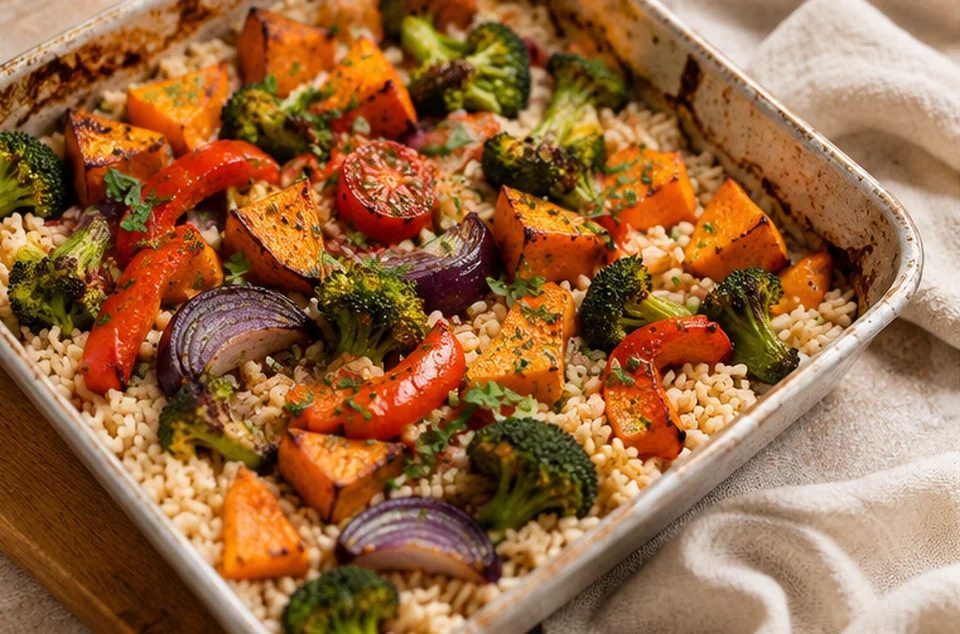
A familiar grain, some vegetables and a sauce can become several meals when combined differently. Roast vegetables might accompany rice one night and fill a wrap another. A tomato-based sauce can go over pasta or a baked potato.
Only make amounts you can handle and store safely. More prepared food is not automatically better if it goes uneaten.
Leave room for change
If a plan changes, freeze suitable ingredients before they deteriorate or swap meals across the week. Keep easy pantry alternatives available for the evening you are too tired to cook.
The purpose of prep is to make cooking less demanding, not to add another performance target. You get to decide how much advance work is worth doing.
Good information, not personal advice
This article is general educational content, not dietary or medical advice tailored to you. For individual nutrition requirements, consult a suitably qualified professional such as an Accredited Practising Dietitian.