
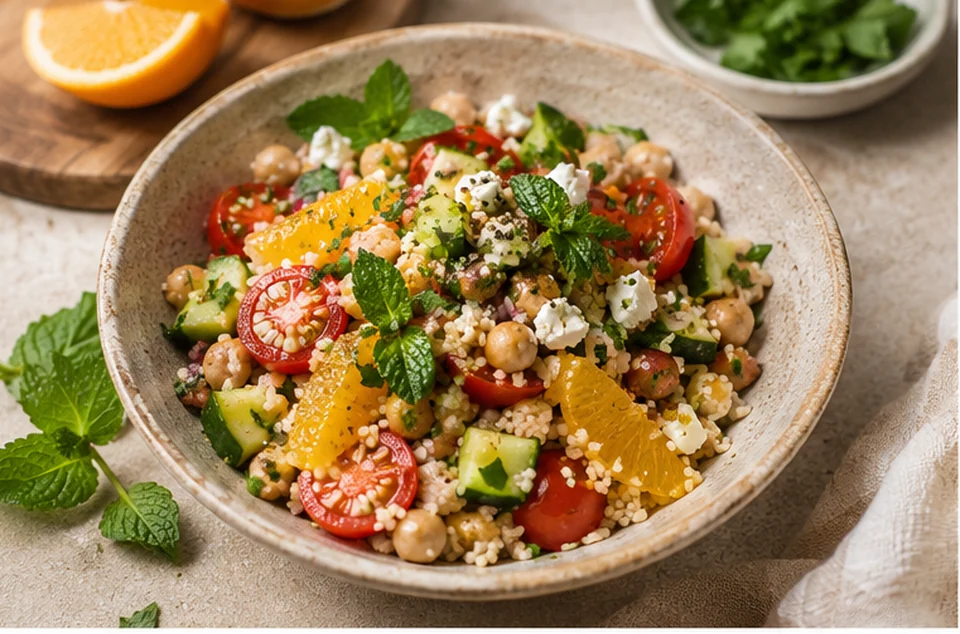
Seasonal produce is often a joy: peaches in summer, winter citrus, spring greens and good tomatoes when they are in abundance. But Australia is a big country, and what is local or in season depends on climate, region and supply. Treat seasonal shopping as a useful habit, not a rigid list.
Start with the shop in front of you
Look at what is plentiful, well priced and in good condition at the local market or supermarket. Talk to a greengrocer about what arrived recently or is grown nearby, without assuming every item on a seasonal chart is available in your suburb.
A useful recipe should adapt to its vegetables. Roast pumpkin can become roast carrot, a leafy green can change with the season, and a salad may suit whatever looks crisp that week.
Buy for use, not just enthusiasm
A huge box of inexpensive fruit is not good value if most of it spoils. Think about the number of breakfasts, snacks and meals you can realistically make before deciding on a quantity.
Choose a mix of items with different keeping qualities. Eat tender leaves and ripe berries sooner; reserve longer-lasting vegetables for later in the week.
Store different produce differently
NSW Food Authority recommends that fresh produce is stored and handled safely, particularly after cutting or peeling. Whole potatoes, onions and some other produce may be kept in appropriate cool, dry conditions, while many cut fruits and vegetables need prompt refrigeration. Keep produce away from raw meat and its juices.
Wash fruit and vegetables under cool running water before eating, using a clean brush for firm surfaces where appropriate. Do not use soap or household detergents on produce.
Have a use-it-up route
Roast slightly tired but still safe vegetables, add suitable odds and ends to soup, or cut sound fruit into a breakfast bowl. Freezing some produce can be useful where the food and method are suitable.
Never try to salvage food with unsafe spoilage, mould or contamination. When the choice is uncertain, refer to official handling advice rather than relying on appearance alone.
Make room for convenience
Frozen vegetables, canned tomatoes and tinned fruit in a suitable packing medium can be useful supplements to seasonal fresh produce. Eating well does not depend on access to a specialist farmers' market.
Buy what tastes good, fits your budget and suits your kitchen. A flexible approach is much more likely to become part of ordinary life.
Good information, not personal advice
This article is general educational content, not dietary or medical advice tailored to you. For individual nutrition requirements, consult a suitably qualified professional such as an Accredited Practising Dietitian.